Blog

  • 5 Innovative Strategies: Mastering Retail Gamification for Exceptional Shopping Experiences

    5 Innovative Strategies: Mastering Retail Gamification for Exceptional Shopping Experiences

    In the ever-evolving landscape of retail, ‘Retail Gamification’ has emerged as a game-changer, redefining customer engagement and shopping experiences. This article delves into the dynamic world of gamification in retail, unveiling five innovative strategies that are not just altering the way consumers interact with brands, but also how they make purchasing decisions. From reimagined loyalty programs to immersive AR and VR experiences, we explore how these gamified approaches are revolutionizing the retail industry, offering both challenges and opportunities for businesses striving to stay ahead in a competitive market.

    Introduction to Retail Gamification

    Retail Gamification has emerged as a transformative force in the shopping industry, merging the thrill of gaming with the retail experience. This innovative approach involves applying game design elements in a retail context to engage customers, enhance their shopping journey, and ultimately drive sales.

    Understanding Retail Gamification

    Gamification in retail is more than just a buzzword; it’s about creating engaging, interactive experiences that resonate with consumers. By incorporating game mechanics like points, levels, challenges, and rewards into the shopping process, retailers can motivate customer actions, increase time spent in-store or on websites, and encourage repeat visits. This strategy taps into the human desire for competition, achievement, and recognition, making shopping more than a transaction but an enjoyable and memorable experience.

    Importance in Modern Retail

    In today’s digital age, where customer attention is a premium, gamification stands out as a key differentiator in retail strategy. It’s particularly effective in attracting tech-savvy and younger demographics, who find such interactive experiences more appealing. Retail gamification also provides valuable data insights into customer preferences and behavior, enabling retailers to personalize experiences and foster customer loyalty. As the retail landscape continues to evolve, gamification is becoming not just a trend but a necessity for retailers looking to stand out in a competitive market.

    For deeper insights into gamification in retail, you can explore detailed examples and strategies on Imaginovation, and The Future of Commerce.

    The Psychology of Gamification in Retail

    Consumer Engagement Through Gamification

    Retail Gamification leverages the natural human affinity for gameplay to enhance customer engagement. This strategic approach transforms shopping from a routine task into an exciting, game-like experience. By embedding elements such as point scoring, competition, and rewards into the retail process, it not only makes shopping more enjoyable but also motivates customers to engage deeper with the brand and its products, leading to increased customer interaction and potential sales.

    Behavioral Drivers Behind Gamification

    The effectiveness of Retail Gamification is deeply rooted in fundamental behavioral drivers. It taps into the innate desires for achievement and competition, as seen in customers’ enthusiasm for completing tasks or climbing up leaderboards. The concept of variable rewards, where the rewards are unpredictable but desirable, ensures sustained customer interest and engagement. Additionally, the sense of community and social interaction, often promoted through gamified experiences, significantly boosts customer loyalty and brand advocacy.

    These insights into customer psychology are crucial for retailers to design gamification strategies that not only attract customers but also foster lasting relationships with them. For an in-depth exploration of these psychological aspects in Retail Gamification, you might find resources like Giosg.com and Shopify helpful.

    Strategy 1: Loyalty Programs Reinvented

    Integrating Gamification in Loyalty Schemes

    The reinvention of loyalty programs through Retail Gamification offers a fresh and interactive approach to customer engagement. Traditional loyalty systems are evolving, integrating game-like elements such as points scoring, leveling up, and unlocking exclusive rewards. This strategy enhances the excitement and engagement in the shopping experience, motivating customers to participate actively and regularly.

    Case Studies of Successful Implementations

    A notable example is the Starbucks Rewards program, where customers earn stars that lead to free items or discounts, encouraging repeat purchases and enhancing customer loyalty. Sephora’s Beauty Insider program also showcases a successful gamification approach with its tiered system, offering exclusive rewards and experiences, thereby incentivizing continual engagement and deepening brand loyalty.

    These examples illustrate how gamification can transform loyalty programs into powerful tools for increasing customer retention and driving sales. For further insights into gamified loyalty programs, resources like Talon.One provide a wealth of information and examples.

    Strategy 2: Interactive In-Store Experiences

    Enhancing Physical Retail Through Gamification

    Gamification is revolutionizing the physical retail space by turning ordinary shopping trips into interactive, engaging experiences. Retailers are incorporating elements like digital scavenger hunts, augmented reality experiences, and interactive displays to gamify the in-store journey. This approach not only elevates the shopping experience but also encourages customers to spend more time in-store, thus potentially increasing sales.

    Examples of In-Store Gamification

    Nike’s interactive in-store experiences serve as a prime example. Their stores often feature challenges and rewards for customers who engage with their products in unique, game-like ways. Similarly, LEGO stores utilize gamification by allowing customers to build and play within the store, creating a memorable brand experience that goes beyond just purchasing. These cases show how gamification can enhance the in-store customer journey, making it more enjoyable and immersive.

    Strategy 3: Gamified Mobile Applications

    Leveraging Mobile Platforms for Retail Engagement in Retail Gamification

    Mobile applications have become a crucial frontier for Retail Gamification. They offer a direct channel to engage customers with interactive and personalized shopping experiences. Retailers are leveraging apps to implement game-like challenges, reward systems, and interactive product explorations. This strategy not only boosts app usage but also fosters a deeper connection between customers and the brand.

    Impact on Online Shopping Behavior

    The integration of gamification in mobile retail apps significantly influences online shopping behavior. It encourages repeat app usage, increases the frequency of purchases, and enhances customer loyalty. For example, gamified apps can motivate customers to complete a series of tasks or challenges in exchange for rewards or discounts, which can lead to increased sales and a stronger brand-customer relationship. This approach effectively combines the convenience of online shopping with the engaging nature of gamification.

    Strategy 4: Social Media Challenges and Contests

    Using Social Platforms for Retail Gamification

    Social media platforms offer a fertile ground for Retail Gamification, enabling brands to engage with a wide audience through challenges and contests. These platforms are ideal for hosting gamified marketing campaigns that encourage user participation, shareability, and interaction. By crafting creative challenges or contests, retailers can enhance their brand visibility, foster community engagement, and create buzz around their products.

    Viral Campaigns and Customer Interaction

    Retail Gamification through social media often leads to viral campaigns that significantly boost customer interaction and brand awareness. These campaigns can range from hashtag challenges to user-generated content contests, where customers are incentivized to share their experiences with the brand. This not only drives engagement but also serves as a powerful tool for word-of-mouth marketing, as customers become brand ambassadors through their social media activities.

    Strategy 5: Virtual Reality and Augmented Reality in Retail

    The Role of VR and AR in Gamified Shopping

    Virtual Reality (VR) and Augmented Reality (AR) are taking Retail Gamification to new heights. These technologies create immersive shopping experiences, allowing customers to interact with products in a virtual space. VR and AR enable customers to visualize products in their own environment, try on items virtually, and engage in interactive, gamified experiences. This innovative approach not only enhances the shopping experience but also drives customer engagement and sales.

    The future of VR and AR in retail looks promising, with continuous advancements expanding the possibilities of gamified shopping experiences. From virtual store tours to interactive product demonstrations, these technologies are becoming integral to modern retail strategies. As they become more accessible, we can expect to see wider adoption and more innovative applications in retail gamification, further bridging the gap between digital and physical shopping experiences.

    The Impact of Retail Gamification on Sales and Customer Retention

    Analyzing the Effectiveness of Gamification Strategies

    The effectiveness of Retail Gamification strategies in boosting sales and customer retention is significant. By enhancing the shopping experience and creating memorable interactions, gamified elements encourage repeat purchases and brand loyalty. Retailers analyze customer engagement levels, participation in gamified activities, and resultant sales metrics to evaluate the success of these strategies.

    Metrics and Measurement of Success

    Key metrics for measuring the success of Retail Gamification include increased sales figures, higher customer retention rates, and growth in customer lifetime value. Additionally, metrics like user engagement rates with gamified elements and social media interactions provide insights into customer behavior and preferences. By analyzing these metrics, retailers can refine their gamification strategies to maximize effectiveness and ROI.

    Challenges and Best Practices in Implementing Retail Gamification

    Overcoming Common Hurdles

    Implementing Retail Gamification comes with its set of challenges. One primary hurdle is ensuring the gamification strategy aligns with the brand identity and appeals to the target audience. Another challenge is maintaining a balance between fun and functionality, ensuring that the gamified elements enhance rather than detract from the shopping experience.

    Key Considerations for Successful Implementation

    Successful implementation of Retail Gamification involves several key considerations. First, it’s crucial to understand customer behavior and preferences to tailor gamified elements accordingly. Also, integrating technology seamlessly with retail operations is essential to provide a smooth customer experience. Regularly monitoring and analyzing the performance of gamified strategies helps in fine-tuning them for better engagement and sales outcomes. Lastly, keeping the gamification elements fresh and updated is vital to retain customer interest over time.

    Conclusion: The Future of Retail Gamification

    The future of Retail Gamification is poised for significant growth and innovation. Emerging trends point towards an increased integration of advanced technologies like AI, VR, and AR, making gamification more immersive and interactive. Personalization will play a key role, with gamified experiences becoming more tailored to individual consumer preferences and behaviors.

    Final Thoughts on the Evolution of Retail Strategies

    Retail Gamification represents a dynamic shift in retail strategies, moving towards creating more engaging, personalized, and memorable shopping experiences. As technology evolves, so will the opportunities for retailers to innovate and connect with their customers in new and exciting ways. The continuous adaptation and integration of gamification strategies will be crucial for retailers to stay competitive and relevant in the ever-changing retail landscape.
  • Metaverse in Retail: 7 Exciting Ways It’s Revolutionizing Shopping

    Metaverse in Retail: 7 Exciting Ways It’s Revolutionizing Shopping

    Introduction

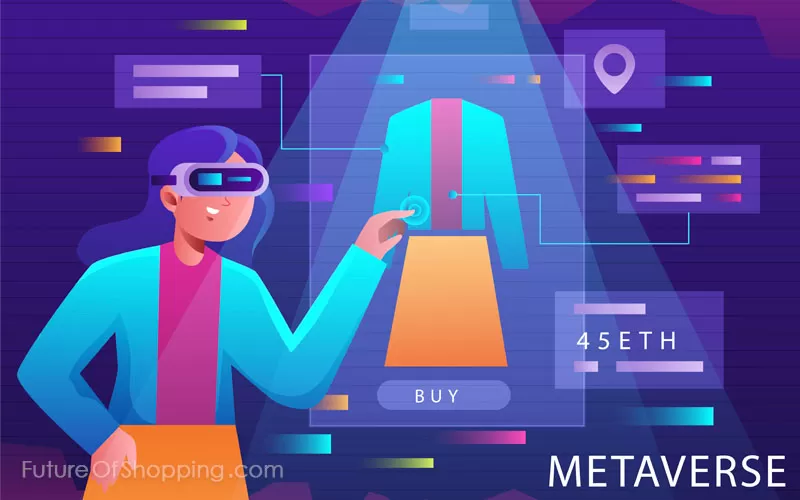
    In the ever-evolving world of retail, staying ahead of technological advancements is paramount. Enter the “metaverse in retail” – a term that’s been buzzing in the industry corridors recently. At its core, the metaverse represents a confluence of virtual reality, augmented reality, and the digital universe, offering a space where users can interact in real-time within a 3D environment. For the retail sector, the implications are vast. From virtual storefronts to immersive shopping experiences, the metaverse has the potential to revolutionize how consumers engage with brands and make purchases. As we dive deeper into this topic, we’ll explore the myriad of ways the metaverse is poised to reshape the modern retail landscape, drawing insights from leading industry perspectives.

    Understanding the Metaverse in Retail

    The “metaverse” might sound like a term plucked from a science fiction novel, but in today’s retail landscape, it’s rapidly becoming a transformative force. The metaverse in retail refers to a collective virtual space, a convergence of augmented reality (AR), virtual reality (VR), and the internet. Within this space, businesses can create digital environments and experiences that mirror or even enhance real-world retail scenarios.

    Retailers are recognizing the vast opportunities the metaverse presents, from hosting virtual fashion shows to enabling customers to “try on” products in a digital space. This digital transformation isn’t just a fleeting trend. As highlighted by Modern Retail, major retailers are either diving deep into their metaverse strategies or recalibrating their approaches to harness its full potential.

    By grasping the concept and possibilities of the metaverse in retail, businesses can position themselves at the forefront of a paradigm shift that’s changing the essence of consumer engagement.

    Application of the Metaverse in Retail

    As the “metaverse in retail” continues to gain traction, businesses are eagerly exploring its myriad applications to create immersive and memorable experiences for their customers.

    Virtual Storefronts: Imagine stepping into a store where the laws of physics don’t apply. Retailers are now creating virtual storefronts that customers can explore from the comfort of their homes. These digital stores not only mirror their physical counterparts but can also offer experiences impossible in the real world. Think floating aisles, gravity-defying product displays, and 360-degree panoramic views.

    Interactive Product Launches: In the metaverse, product launches are not limited to a stage or a venue. Brands are organizing virtual events where attendees from around the globe can witness a new product’s unveiling in real-time, interact with it, and even place orders instantaneously.

    Gaming Platforms as Retail Hubs: Gaming platforms like Roblox are not just about fun and games anymore. Retailers are leveraging these platforms to introduce branded virtual spaces and items. These platforms offer an avenue to reach a younger, tech-savvy audience in an environment they are deeply engaged with. A great example of this is how certain brands are establishing their presence in games, transforming them into shopping destinations. As detailed in a Retail Dive article, platforms like Roblox are bridging the gap between gaming and retail, creating unique opportunities for revenue and brand recognition.

    Incorporating the metaverse in retail strategies is not just about keeping up with the times; it’s about envisioning a future where digital and physical retail experiences are seamlessly intertwined, enhancing consumer engagement and redefining the shopping journey.

    The Continuum of Retail in the Metaverse

    The “metaverse in retail” isn’t just a singular concept; it’s a spectrum. It represents a vast continuum of possibilities, ranging from basic virtual storefronts to intricate and fully immersive retail worlds. Each step on this spectrum provides an increased level of immersion, personalization, and interactivity for the consumer.

    As we tread deeper into this realm, it becomes evident that the metaverse offers more than just a digital alternative to physical shopping. It provides an arena for retailers to engage consumers in a narrative, a story where the boundaries between reality and digital fantasy blur. Customers don’t just buy products; they experience them. They don’t just visit a store; they embark on a journey.

    For businesses keen on understanding the intricate layers of this continuum, RILA’s insights provide a comprehensive framework. Their analysis delves into the various stages of retail in the metaverse, showcasing how brands can leverage each phase for maximum impact.

    The metaverse, with its expansive potential, is shaping up to be the next frontier in retail. Recognizing its various facets and understanding where a brand can fit within this continuum is crucial for retailers aiming to stay ahead in a rapidly evolving industry.

    Case Studies: Retailers Venturing into the Metaverse

    The promise of the metaverse in retail is not just theoretical; many renowned brands are already making significant strides into this expansive digital frontier. Here’s a look at some trailblazers:

    1. Nike: This global sportswear giant hasn’t hesitated to make its mark in the metaverse. Nike has patented ‘CryptoKicks’ – virtual shoes that users can “wear” in virtual environments. Not only does this initiative tap into the massive virtual goods market, but it also strengthens brand loyalty among tech-savvy consumers.
    2. Gucci: Luxury fashion meets the digital realm with Gucci’s ventures. They’ve collaborated with platforms like Roblox to introduce exclusive virtual items, further blurring the lines between luxury fashion and virtual avatars. This collaboration has allowed Gucci to engage with a younger demographic in a space they frequent.
    3. Walmart: Always a pioneer in retail innovation, Walmart has filed patents related to its virtual store experience within the metaverse. The idea? Customers can don VR headsets and stroll through a digital Walmart, picking out items and even interacting with other virtual shoppers.
    4. Balenciaga: The fashion brand took the metaverse by storm with their video game, ‘Afterworld: The Age of Tomorrow.’ This game wasn’t just for entertainment; it was a medium through which Balenciaga unveiled its new collection. Players could explore a futuristic cityscape while getting an exclusive first look at the brand’s latest designs.
    5. Sephora: Recognizing the immense potential of AR and VR, Sephora introduced a virtual try-on experience. Customers can use their cameras to “try on” makeup, ensuring they find the perfect shade and style before making a purchase.

    These brands represent just the tip of the iceberg. As the metaverse in retail continues to expand, it’s anticipated that more and more retailers will find unique and innovative ways to engage their audience in this virtual space, creating experiences that were once the stuff of science fiction.

    The Role of Chatbots and AI in the Metaverse in Retail

    While the concept of the metaverse in retail tantalizes with its rich graphics and expansive virtual landscapes, the real magic lies in the seamless integration of Artificial Intelligence (AI) and chatbots. These technologies are vital in ensuring that users’ experiences within these expansive digital worlds are interactive, personalized, and engaging.

    1. Personalized Shopping Assistants: As users navigate virtual stores, AI-powered chatbots can serve as personalized shopping assistants. By analyzing user preferences and behavior, these chatbots can offer product recommendations, answer queries in real-time, and facilitate smoother checkouts within metaverse in retail.
    2. Interactive Brand Engagement: Imagine walking into a virtual store and being greeted by a brand ambassador, powered by AI, ready to take you on an immersive product tour. Tools like ChatGPT can be programmed to understand and respond to user queries, making brand interactions within the metaverse in retail more engaging and informative.
    3. Training and Onboarding: For retailers setting up shop in the metaverse, AI can assist in training staff for this new digital frontier. Through realistic simulations and real-time feedback, brands can ensure that their teams are ready to offer exceptional service in the virtual realm.
    4. Data Collection and Analysis: One of the most significant advantages of the metaverse in retail is the wealth of user data it provides. AI tools can analyze these vast datasets in real-time, offering retailers insights into user behavior, preferences, and trends, ensuring they stay ahead of the curve.

    For a deeper dive into how chatbots and AI are revolutionizing the retail landscape, explore “ChatGPT in Retail: 7 Remarkable Advancements in Modern Shopping” and “7 Proven Strategies: How Chatbots in Modern Retail Powerfully Elevate Customer Experiences”. These articles shed light on the advancements of AI in retail and the myriad ways it’s enhancing both virtual and real-world shopping experiences.

    The Confluence of Social Commerce and the Metaverse in Retail

    The “metaverse in retail” isn’t just an expansive digital playground—it’s a sprawling marketplace with endless potential for brands to engage with consumers on an entirely new level. One avenue of this is the seamless integration of social commerce within the metaverse’s vast landscapes.

    1. Enhanced Social Shopping Experiences: Imagine walking through a virtual mall with friends from across the globe, trying on outfits together, and getting real-time feedback. The metaverse in retail offers a platform for these immersive social shopping scenarios, where purchase decisions are influenced by the collective.
    2. Interactive Pop-Up Shops: Within the metaverse in retail, brands can set up temporary virtual shops during exclusive launches, allowing users to interact, explore, and purchase in a socially engaging environment. Think of it as attending a product launch event with friends, but in the virtual realm.
    3. Live Commerce Integration: The combination of livestreams and shopping isn’t new, but within the metaverse, it takes on a new dimension. Brands can host virtual events where influencers or brand ambassadors showcase products live, and viewers can instantly click and buy within the same space.
    4. Community-Driven Feedback: Social commerce is powered by community feedback, reviews, and recommendations. The metaverse can amplify this by providing spaces for users to gather, discuss products, and share their experiences in real-time.
    5. Gamified Shopping Experiences: Brands can offer rewards, challenges, and quests related to their products, encouraging users to explore, engage, and eventually purchase in a more interactive manner.

    For a comprehensive understanding of the strategies and benefits of social commerce and how they can be amplified within the metaverse, delve into “Social Commerce: 7 Keys to Unleash Success”. This article offers invaluable insights into the world of social selling and its transformative potential when combined with the metaverse.

    Future Predictions: The Integration of Metaverse in Retail Landscape

    As technology continues to push the boundaries of what’s possible, the integration of the metaverse into the retail sphere is becoming more than just a speculative vision—it’s an emerging reality with immense potential to shape the future of shopping.

    1. Exponential Market Growth: According to several tech analysts, the metaverse is slated to become a multi-trillion-dollar market in the next decade. As more brands realize its potential, we can expect significant investment in virtual real estate, digital fashion, and interactive marketing campaigns.
    2. Fully Immersive Shopping Experiences: Future consumers might not just browse online catalogs. Instead, they’ll embark on virtual shopping adventures, exploring digital malls, attending virtual fashion shows, or even trying out products in simulated environments.
    3. Augmented Physical Stores: Physical stores will not become obsolete; instead, they’ll evolve. We may see a hybrid model where in-store experiences are enhanced by metaverse elements—think augmented reality fitting rooms or virtual shop assistants.
    4. New Challenges: With the rise of the metaverse, retailers will face new challenges, including the need for advanced cybersecurity measures, navigating the intricacies of virtual real estate, and understanding the unique dynamics of metaverse economies.
    5. Opportunities for Niche Brands: The metaverse will provide a level playing field for both established brands and newcomers. Small, niche brands will have the opportunity to create unique virtual spaces, attracting consumers from all over the digital world.
    6. Sustainability and the Metaverse: As the physical footprint of retail diminishes with the growth of virtual stores, there’s potential for significant sustainability benefits. Brands can showcase vast product ranges without the environmental impact of large physical spaces.
    7. A New Dimension of Personalization: With advanced AI and data analysis, retailers in the metaverse can offer unparalleled personalization, from tailor-made avatars to AI-driven product suggestions based on virtual browsing habits.

    In conclusion, while the challenges are real, the opportunities are boundless. The confluence of the metaverse and retail holds the promise of a shopping experience that’s not just transactional but transformative, changing the very fabric of consumer-brand interactions.

    Conclusion

    The metaverse, once a construct of science fiction, is rapidly taking shape as a transformative force in the retail sector. It promises not just an evolution, but a revolution, offering a fusion of the physical and digital realms. As we’ve explored, its applications in retail are vast, from immersive shopping experiences to innovative marketing strategies that harness the power of social commerce and advanced AI.

    Retailers and brands that recognize the potential of the metaverse stand at the precipice of a new era. As virtual environments become more integral to our daily lives, the lines between reality and the digital world will blur, paving the way for a shopping experience that’s richer, more personalized, and deeply interactive.

    But with every innovation comes the necessity for adaptation. Now is the time for forward-thinking businesses to immerse themselves in understanding the metaverse’s dynamics, exploring its capabilities, and integrating it into their strategic planning.

    As we venture further into this digital frontier, staying updated and being proactive will be the difference between being a pioneer and being left behind. The metaverse is not just a trend—it’s the future. And for retailers, it offers a world of opportunity just waiting to be seized.

    To remain at the forefront of this retail transformation, delve deeper into our extensive insights on The Future of Shopping. Embrace the metaverse, and let it redefine the boundaries of what’s possible for your brand.

  • Web3 in eCommerce: 7 Explosive Insights Shaping the Bright Future of Online Shopping

    Web3 in eCommerce: 7 Explosive Insights Shaping the Bright Future of Online Shopping

    Introduction

    The convergence of “Web3” and the digital commerce world heralds a transformative phase for the online shopping arena. Web3 in eCommerce is not just a fleeting trend but an evolution that promises a decentralized, transparent, and empowered shopping experience. As the third generation of the internet, Web3 aims to reshape the digital landscape, placing power back into the hands of users. Given the rapid advancements in the eCommerce sector, integrating Web3 could be the game-changer, setting new benchmarks for transparency, security, and customer-centricity. For those already versed with the dynamic shifts in technology & innovation, understanding the significance of Web3 in eCommerce will be a key to unlocking the next big revolution in online retail.

    How Web3 Affects eCommerce

    The heart of Web3 in eCommerce lies in the notion of a decentralized internet. Unlike our current web infrastructure, where central entities or platforms hold and control data, the decentralized nature of Web3 promotes a peer-to-peer (P2P) architecture. This transformation ensures that every transaction, every piece of data, is spread across a network without a singular controlling entity.

    For businesses, this shift offers a plethora of advantages. Firstly, it provides enhanced security. With data being spread across a decentralized network, it becomes exponentially harder for cyber-attacks to target a single point of failure. Transparent transactions are another hallmark of Web3, ensuring that both businesses and consumers can trace and verify transactions without intermediaries. Moreover, Web3 emphasizes user control, giving individuals sovereignty over their data, ensuring a more trust-based relationship between consumers and online retailers.

    For a deeper dive into the transformative potential of Web3 in eCommerce, this Medium article provides a comprehensive examination, outlining the nuances and future prospects of this convergence.

    Advantages of Web3 for eCommerce

    The integration of Web3 in eCommerce brings forth a myriad of benefits that can redefine the operational and transactional aspects of online shopping.

    One of the most significant advantages is the elimination of intermediaries. In traditional eCommerce setups, third-party intermediaries, such as payment processors and data storage providers, often play crucial roles. However, with Web3, these middlemen become obsolete, leading to direct peer-to-peer transactions. This not only ensures faster processes but also considerably reduces costs for both merchants and consumers.

    Furthermore, the advent of cryptocurrencies, a cornerstone of the Web3 ecosystem, is revolutionizing international transactions. Cryptocurrencies eliminate the need for currency conversion and associated fees, making cross-border shopping smoother and more affordable. This global financial inclusivity means that a merchant in one part of the world can seamlessly transact with a customer from an entirely different region, all without the traditional banking constraints.

    Lastly, an aspect of Web3 that cannot be overlooked is its inherent security mechanisms, particularly those tied to blockchain technology. Blockchain, the foundational technology behind most cryptocurrencies, ensures data integrity, transparency, and security. Every transaction made on the blockchain is immutable and transparent, making fraudulent activities easily detectable. The significance of these security features in the eCommerce realm cannot be overstated, and as highlighted by Fast Company, they are set to become foundational to the next generation of online retail.

    Web3’s Role in Retail

    The influence of Web3 in eCommerce is just the tip of the iceberg. Beyond online shopping, the broader retail sector is poised to undergo significant transformations under the umbrella of Web3.

    At the forefront of these changes is the shift towards decentralized platforms and marketplaces. Gone are the days when centralized entities controlled product listings, reviews, and transaction data. With Web3, decentralized marketplaces allow sellers and buyers to interact directly, eliminating unnecessary fees and ensuring more equitable profit distributions. This decentralization also promotes genuine product reviews and ratings, as there’s no central authority that might be inclined to manipulate or hide negative feedback.

    Additionally, the potential of Web3 extends into the very backbone of retail: the supply chain. Traditional supply chains, with their multi-layered processes and multiple stakeholders, often suffer from inefficiencies and a lack of transparency. Web3 can streamline these processes by providing a transparent, tamper-proof record of product movements, from raw material sourcing to final product delivery. This ensures not only faster operations but also builds trust with consumers who increasingly demand to know the origins and journey of their purchased products.

    Lastly, the concept of tokenization, intrinsic to Web3, is set to redefine loyalty programs in retail. Instead of traditional point-based systems, retailers can offer token-based rewards. These tokens, often in the form of cryptocurrencies or unique digital assets, can be traded, redeemed, or even invested, providing customers with more than just discounts – a tangible asset that has the potential to appreciate in value.

    Building a Web3 eCommerce Platform

    As the tides of the digital world shift towards decentralization, building a Web3 in eCommerce platform becomes not just an innovation but a necessity for forward-thinking businesses. Creating such a platform involves nuanced considerations and strategic integrations, ensuring both operational efficiency and a seamless user experience.

    Essential Steps and Considerations:

    • Research and Planning: Begin with a comprehensive understanding of the Web3 landscape. Identify your target audience, their familiarity with Web3, and what they seek from a decentralized shopping experience.
    • Choose the Right Blockchain: Not all blockchains are created equal. Depending on your needs – scalability, transaction speed, or security – select a blockchain that aligns with your platform’s objectives.
    • Decentralized Identity Verification: Implement a decentralized identity verification system to ensure users can safely manage their identity without the risk of breaches.

    Smart Contracts and Cryptocurrency Integration:

    • Smart Contracts: These self-executing contracts with the agreement directly written into code lines can automate and secure various processes, from payment to shipment. Ensure the development of robust smart contracts that cater to the intricacies of retail transactions.
    • Cryptocurrency Wallets: For processing payments in cryptocurrencies, integrate secure wallet solutions. These wallets will allow users to store and transact using their preferred digital currencies seamlessly.

    Focus on User Experience:

    • Intuitive Design: A Web3 platform should not alienate users familiar with traditional eCommerce sites. Strive for an intuitive design that combines the best of both Web2 and Web3 worlds.
    • Educational Resources: Given that many users might be new to Web3, provide easy-to-digest educational resources, guiding them through the unique aspects of decentralized shopping.
    • Feedback Loop: Continuously gather user feedback. As a nascent field, the best practices for Web3 in eCommerce are still being defined. User feedback can be instrumental in refining and improving the platform.

    In essence, while the technological underpinnings of a Web3 platform are crucial, the success of such a platform ultimately hinges on the experience it offers its users. Balancing technological robustness with user-centric design will be key to the successful adoption of Web3 in eCommerce platforms.

    Practical Implementation: Using Web3 in eCommerce

    The transformative nature of Web3 in eCommerce is more than just conceptual; it holds tangible, actionable steps for businesses ready to pioneer into the decentralized digital future. Here’s how businesses can integrate Web3 principles for immediate benefits:

    Accepting Cryptocurrency Payments:

    • Integration: Businesses need to start by integrating cryptocurrency payment gateways. Solutions like Coinbase Commerce or BitPay offer seamless integration processes to facilitate crypto payments.
    • Currency Selection: Not all cryptocurrencies are suitable for every kind of transaction. While Bitcoin and Ethereum are popular, some businesses might opt for stablecoins (like USDC or DAI) to avoid volatility issues.
    • Incentives: To encourage crypto payments, consider offering discounts or promotions for users who choose this payment method, fostering adoption and familiarity.

    Decentralized Identity Verification:

    • Safety Over Passwords: Traditional username-password systems are prone to breaches. Decentralized identity solutions provide users with control over their data, relying on cryptographic verification rather than easily hackable passwords.
    • Single Sign-On: Decentralized identifiers (DIDs) allow for a single sign-on experience across multiple platforms, simplifying the user journey while ensuring security.
    • Enhanced Trust: By giving users control over their data and ensuring transparent handling of their credentials, businesses can foster a higher degree of trust with their clientele.

    The Potential of dApps in Loyalty Programs and Exclusive Sales:

    • Tokenized Loyalty: Instead of traditional point systems, businesses can use decentralized applications (dApps) to create tokenized loyalty programs. These tokens can be traded, redeemed, or held as assets.
    • Exclusive Sales via dApps: Using dApps, businesses can conduct sales events where loyal customers can exclusively access limited-time offers or unique products using their loyalty tokens or other cryptocurrency holdings.
    • Smart Contract Automation: dApps, through smart contracts, can automate aspects of these loyalty programs and sales, ensuring transparency, tamper-proof rewards allocation, and seamless redemption processes.

    Incorporating Web3 in eCommerce isn’t just about jumping onto a new tech bandwagon. It’s about harnessing innovative tools and paradigms that offer enhanced user experiences, superior security, and efficient operations in the ever-evolving world of online retail.

    Conclusion

    The digital evolution of commerce has consistently been marked by innovations that enhance, simplify, and secure the buying and selling experience. The emergence of Web3 in eCommerce is the latest, yet arguably the most profound, chapter in this ongoing saga. By offering decentralized operations, unparalleled security through blockchain, and a more equitable platform for both sellers and buyers, Web3 stands as a promising beacon for the future of online shopping.

    For retailers and online store owners, this isn’t just a fleeting tech trend to observe from the sidelines. It’s an invitation to be at the forefront of the next big shift in digital commerce. Embracing Web3 means preparing for a future where consumers have more control, transactions are more transparent, and the very essence of commerce is more democratized.

    As we stand on the cusp of this transformative change, one thing is clear: the future of shopping lies in the harmonious blend of technology, trust, and user-centric experiences. Retailers ready to embark on this Web3 journey will not only be pioneers but also the flag bearers of a more inclusive and efficient eCommerce ecosystem.

  • ChatGPT in Retail: 7 Remarkable Advancements in Modern Shopping

    ChatGPT in Retail: 7 Remarkable Advancements in Modern Shopping

    Introduction

    In the dynamic world of modern retail, businesses are in a perpetual quest for innovative tools that can redefine the shopping experience. This quest has heralded the rise of ChatGPT in Retail, an avant-garde blend of advanced conversational AI tailored for the retail sector. More than just an advanced chatbot, ChatGPT signifies a transformative shift in customer-brand engagement. With its unmatched contextual understanding and eerily human-like interactions, ChatGPT isn’t merely enhancing online shopping—it’s revolutionizing it. Through these 7 epic transformations, we’ll journey into how ChatGPT is not just elevating customer interactions but crafting a whole new tapestry for the digital shopping experience.

    Transformative Effects of ChatGPT in Retail

    Enhancing Customer Interactions:

    The age of impersonal, automated responses in the digital marketplace is waning, thanks to innovations like ChatGPT in Retail. By harnessing the power of sophisticated AI-driven chat, retailers can now offer consumers nuanced, context-aware interactions that feel genuine and tailored. ChatGPT excels at understanding queries, grievances, and even casual conversational cues, ensuring customers feel heard and valued. Instead of navigating through rigid menu options or being met with generic responses, shoppers are greeted with dynamic, personalized assistance. This emphasis on authentic, human-like engagement sets ChatGPT in Retail apart, revolutionizing the customer-brand relationship and setting new benchmarks for excellence in digital retail interactions.

    Seamless Shopping Assistance:

    In the evolving world of digital commerce, ChatGPT in Retail is leading the charge towards a more intuitive shopping experience. Leveraging the advanced capabilities of ChatGPT, retailers offer instant assistance, from product inquiries to check-out processes. Whether a customer is seeking product recommendations, size guides, or even the backstory of a brand, ChatGPT provides detailed, accurate responses in real-time. Its ability to remember past interactions and preferences further personalizes the shopping journey. By seamlessly integrating into the online marketplace, ChatGPT in Retail ensures that shoppers no longer face the frustrations of navigating vast product catalogs alone, instead receiving immediate, intelligent assistance every step of the way.

    Personalized Shopping Experience:

    The era of one-size-fits-all in online retail is fading, and ChatGPT in Retail is ushering in an age of deep personalization. By analyzing user interactions, queries, and preferences, ChatGPT crafts tailored shopping suggestions for every individual. Whether it’s recommending a product based on past purchases or suggesting new arrivals that align with a shopper’s style, ChatGPT in Retail elevates the buying journey to a personalized dialogue. This adaptive, AI-driven approach ensures consumers feel understood and valued, transforming the often overwhelming digital storefront into a curated, individualized shopping haven. With “ChatGPT in Retail,” each visit becomes a unique experience, tailored precisely to the shopper’s desires and needs.

    24/7 Customer Service and Support:

    In today’s digital age, consumers expect immediate responses, and ChatGPT in Retail delivers precisely that. Offering round-the-clock assistance, ChatGPT ensures that customers never face unanswered queries, regardless of the time. Whether it’s a question about product specifications late at night or seeking help with an order in the early morning, ChatGPT in Retail stands ready to assist. This relentless, 24/7 support diminishes wait times and enhances overall user satisfaction. By removing the constraints of traditional business hours, ChatGPT in Retail guarantees that shoppers always have a knowledgeable and responsive aide at their fingertips, revolutionizing the standards of customer service in the retail industry.

    Streamlining Post-Purchase Activities:

    After the point of sale, the journey for customers persists, and ChatGPT plays a critical role. From addressing post-sale queries about shipping to guiding through returns, ChatGPT ensures a smooth continuation of the shopping experience. It promptly delivers information on return conditions, warranty specifics, or even introduces additional products that complement the recent buy. Furthermore, ChatGPT collects customer feedback, enabling businesses to perpetually enhance their products and services. By maintaining this post-purchase dialogue, ChatGPT not only strengthens brand commitment but also encourages further transactions, underlining its integral position in today’s shopping cycle.

    Integrating Omnichannel Shopping:

    In the interconnected realm of online and offline shopping, ChatGPT in Retail stands out as the cornerstone of omnichannel integration. Whether customers transition between web browsing to in-store visits, this AI system ensures smooth connectivity and consistency. By recalling past interactions, it eliminates the need for users to relay information when toggling between platforms. Such proficiency not only streamlines shopping but also reinforces brand trust. By bridging the divide between physical and digital realms, it crafts a unified shopping experience that aligns with contemporary consumer demands, underscoring its paramount role in the current retail scenario.

    Interactive Marketing and Promotions:

    Leveraging ChatGPT takes marketing endeavors a notch higher. Instead of passive ads or promotions, retailers can employ this technology to craft interactive campaigns that directly engage customers. Whether it’s a quiz to pinpoint the ideal product or a conversational journey highlighting recent deals, ChatGPT in Retail ensures each marketing touchpoint feels personalized and participatory. This innovative approach boosts engagement rates, establishing a profound bond between brands and their audiences. By transforming promotional activities into two-way dialogues, this AI system revolutionizes traditional marketing dynamics, positioning consumers as active participants rather than mere passive recipients in brand stories.

    Educating the Consumer:

    ChatGPT in Retail isn’t just about purchasing; it’s also a pivotal tool for consumer education. Whether explaining product features, sharing the story behind a brand, or offering insights on sustainable practices, ChatGPT emerges as a knowledgeable ally for the curious shopper. Retailers utilizing this technology can ensure their customers make well-informed decisions, bolstering trust and loyalty. The smooth integration means shoppers have prompt access to abundant information without feeling overwhelmed. As consumers increasingly yearn for transparency and detailed insights, the role of ChatGPT in amplifying educational facets during the shopping process becomes a standout trend in the industry’s progression.

    Challenges and Limitations:

    While ChatGPT in Retail introduces groundbreaking changes to the shopping realm, challenges persist. The AI interface, despite its advancements, might occasionally misinterpret complex customer inquiries, potentially impacting user satisfaction. Over-reliance on this AI can sometimes render interactions as impersonal, pushing away those longing for a genuine human connection. As retailers adopt this technology, the paramount importance of data privacy becomes evident, necessitating careful management of consumer details. Consistent updates and adjustments are essential to maintain synchronization with changing retail dynamics. Recognizing and mitigating these challenges is essential for those aiming to harmoniously integrate technology with a people-focused approach.

    Conclusion and Future Outlook:

    The integration of ChatGPT in Retail marks a pivotal change in contemporary shopping paradigms. Its prowess in providing personalized interactions, offering uninterrupted customer service, and enhancing shopping pathways is groundbreaking. However, as technological advancements surge, the role of ChatGPT will inevitably grow, becoming even more refined and insightful. We can anticipate deeper tailoring, foresight-driven shopping aid, and instant market insights in the future. Retailers need to stay nimble, harnessing the progressive potential of ChatGPT. In the evolving narrative of retail’s trajectory, ChatGPT emerges as a significant influencer, signaling more immersive and streamlined shopping journeys.

  • 7 Proven Strategies: How Chatbots in Modern Retail Powerfully Elevate Customer Experiences

    7 Proven Strategies: How Chatbots in Modern Retail Powerfully Elevate Customer Experiences

    Chatbots in Modern Retail: The Future of Enhanced Customer Service

    Introduction

    In the bustling era of digital commerce, businesses are perpetually searching for innovative ways to connect, converse, and cater to their consumers. Enter chatbots in modern retail: the intelligent, responsive, and ever-evolving digital assistants that are fundamentally redefining the way we shop and interact with brands online. These AI-driven entities, born from the fusion of machine learning and natural language processing, are not merely a technological fad; they epitomize the synthesis of human-like interaction and algorithmic precision in the context of modern retail.

    For retailers, these chatbots have transformed into indispensable tools, offering unparalleled service around the clock. For consumers, they promise a seamless blend of personalized guidance, instant solutions, and interactive shopping experiences. As we delve deeper into the realm of ‘Chatbots in Modern Retail,’ we will explore their meteoric rise, the multifaceted advantages they bring, and the transformative impact they are imprinting on the future of retail.

    Why Chatbots in Modern Retail?

    In an age where immediacy and personalization have become the twin pillars of consumer expectations, “Chatbots in Modern Retail” have risen as the saviors of the sector. First and foremost, they offer the invaluable advantage of round-the-clock customer service. While human attendants clock out, chatbots in modern retail remain undeterred, catering to consumer inquiries irrespective of time zones or holidays. This 24/7 accessibility eradicates waiting times and enhances user satisfaction. Additionally, using data-driven insights, these chatbots offer personalized shopping recommendations, curating choices based on users’ browsing histories, preferences, and previous purchases.

    This not only enhances the shopping experience but also boosts sales by making suggestions that are more likely to culminate in purchases. Furthermore, the multitasking prowess of chatbots in modern retail is unparalleled. Unlike their human counterparts, they can efficiently handle multiple queries simultaneously, ensuring that every customer feels heard and attended to without any significant delay. This trio of capabilities marks chatbots as indispensable allies in the competitive landscape of modern retail.

    7 Proven Strategies:

    1. Personalized Product Recommendations: Using customer data and browsing history.

    In today’s retail expanse, guiding customers can be overwhelming. Yet, chatbots in modern retail have transformed this challenge into a refined craft. Utilizing customer data and analyzing browsing habits, they pinpoint individual preferences, acting as digital personal shoppers. They assess past behaviors, viewed items, and even abandoned carts to offer curated suggestions, making shopping experiences personal and intuitive. With chatbots, customers sidestep irrelevant options, focusing on tailored selections that heighten purchasing probability. In our information-saturated era, the bespoke assistance chatbots provide isn’t just a bonus; it’s a standard for savvy shoppers.

    2. Post-Purchase Support: Addressing returns, exchanges, and feedback.

    The purchase is just a milestone in the brand-consumer relationship, not its end. In chatbots in modern retail, these digital assistants are critical during post-purchase interactions. Facing potential returns or exchanges, often time-sensitive and emotionally-driven decisions, chatbots offer 24/7 guidance. They navigate consumers through return policies, initiate processes, and suggest alternative products based on return reasons. Additionally, chatbots provide a feedback channel, letting customers share experiences and concerns. This feedback, combined with addressing post-purchase inquiries, allows chatbots to gather data for refining future products and strategies, ensuring the customer’s value extends well beyond checkout.

    3. Navigational Help: Assisting online shoppers through site navigation

    In today’s vast digital storefronts, shoppers can easily feel overwhelmed. Chatbots in modern retail, acting as virtual store assistants, streamline this experience. Similar to helpful staff in a brick-and-mortar store, chatbots guide users, assisting in product searches, pointing to sales or new arrivals, and simplifying site navigation. They adapt to individual needs, providing detailed guidance for newcomers and efficient directions for regulars. By eliminating online shopping friction, chatbots enhance user experience, boosting the chances of repeat visits and fostering brand loyalty.

    4. Feedback Collection: Immediate feedback post-purchase for continuous improvement

    Feedback is vital for retail evolution. In today’s era of instant gratification, timely feedback collection is paramount. Chatbots in modern retail, offering immediate accessibility, are instrumental in this. Post-purchase, they can swiftly engage customers for feedback on their experience or product quality. This real-time approach aids brands in making constant enhancements. Unlike traditional feedback methods with often low participation, chatbots ensure a quick, conversational process, yielding higher response rates. By automating feedback, businesses promptly spot and resolve repeated concerns, continually refining the customer journey. Through chatbots, retailers stay aligned with their customers’ voices, fostering product and service excellence.

    5. Sales and Promotion Notifications: Alerting customers about ongoing sales and offers

    In the dynamic realm of online retail, keeping customers updated on sales and promotions is crucial. Chatbots, the ever-alert digital aides, are adept at this. They send timely notifications about sales, special offers, or personalized deals based on a shopper’s history. Unlike often overlooked email promotions, chatbot alerts are direct and engage instantly. They prompt users to revisit websites, remind them of wishlisted items, or present irresistible deals. By keeping customers informed, chatbots enhance engagement, redirect traffic to websites, and significantly contribute to boosting sales conversions.

    6. Integration with Social Media Platforms: Enhancing social commerce

    In an age where social media doubles as a marketplace, chatbots are revolutionizing social commerce. When integrated with platforms like Instagram, Facebook, and Twitter, chatbots enable brands to engage users directly. They can handle purchases from comments, respond to product questions instantly, and suggest shopping options based on social activity. This transforms passive social media scrolling into active buying, streamlining the shopping journey. By facilitating an effortless transition from viewing a product on a feed to purchasing it, chatbots not only enhance the user experience but also broaden a brand’s reach, reshaping the dynamics of social commerce.

    7. Loyalty Programs and Membership: Using chatbots to promote sign-ups and inform about loyalty points.

    In the realm of chatbots in modern retail, loyalty programs are getting a digital facelift. Chatbots actively promote loyalty program sign-ups, showcasing exclusive benefits. They update members in real-time about loyalty points, tailored offers, and exclusive promotions, without the need for manual logins or email checks. This 24/7 engagement means customers instantly access their rewards during online shopping, ensuring they always feel valued and informed. Such a proactive approach by chatbots in modern retail not only reinforces brand loyalty but also spurs repeated sales.

    Challenges and Considerations

    While chatbots in modern retail offer unprecedented advantages, they present challenges demanding attention. Their AI-driven nature can seem impersonal, sometimes leading to misunderstandings and potentially deterring customers who crave genuine interactions. Data privacy remains a concern, with the peril of breaches making consumers wary and underscoring the retailers’ responsibility to safeguard this data. The dynamic retail landscape necessitates regular chatbot updates to remain current with evolving product information and offers.

    Initial investments in advanced AI chatbots, combined with continuous training, are essential to ensure efficacy. Over-relying on AI might dilute the shopping experience, missing the warmth and empathy of human touch. Adaptability is vital; without it, chatbots risk becoming outdated, affecting user experiences and potential business prospects.

    Conclusion

    At the dawn of a new retail era, chatbots in modern retail stand out as transformative agents, reshaping customer experience. They offer real-time, tailored interactions, ensuring an agile and customer-focused retail environment. These chatbots provide 24/7 support, manage vast data, and give specific recommendations, marking them as vital in today’s shopping domain. Despite challenges, the potential benefits of “Chatbots in Modern Retail” are immense. As technology evolves, and chatbots grow more adept at meeting consumer needs, their role in revolutionizing shopping will only become more prominent, paving the way for a more intuitive and engaging shopping experience.